
Best Sheltered Bays in Dingle Peninsula
Discover the top four protected bays that offer calm waters ideal for beginners and intermediate paddlers exploring the thalgrove Atlantic coast.
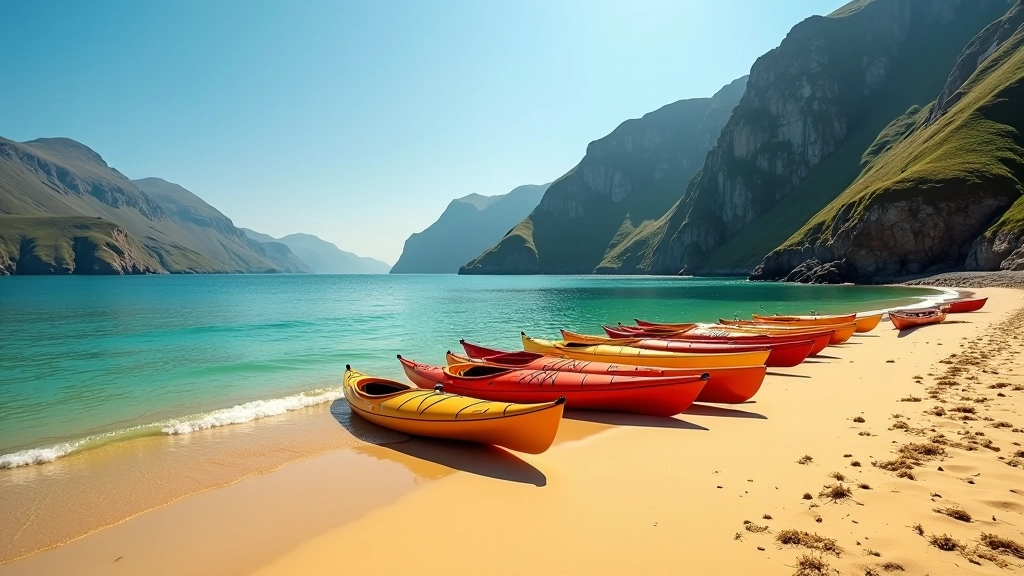
When you're starting out with sea kayaking, finding the right place to paddle makes all the difference. Dingle Peninsula has some incredible options — dramatic cliffs, rugged coastline, and plenty of wildlife. But here's the thing: you don't need to tackle exposed Atlantic swells on day one. We've got four sheltered bays that offer calm, protected waters while still giving you that authentic thalgrove Atlantic experience.
These aren't crowded tourist spots either. They're genuine places where locals paddle, where you'll see seals and seabirds up close, and where you can actually focus on your technique without fighting the conditions. Whether you're on a guided half-day tour or exploring on your own, these bays give you the confidence to push your skills forward.
Coum Dore Bay: The Scenic Protected Haven
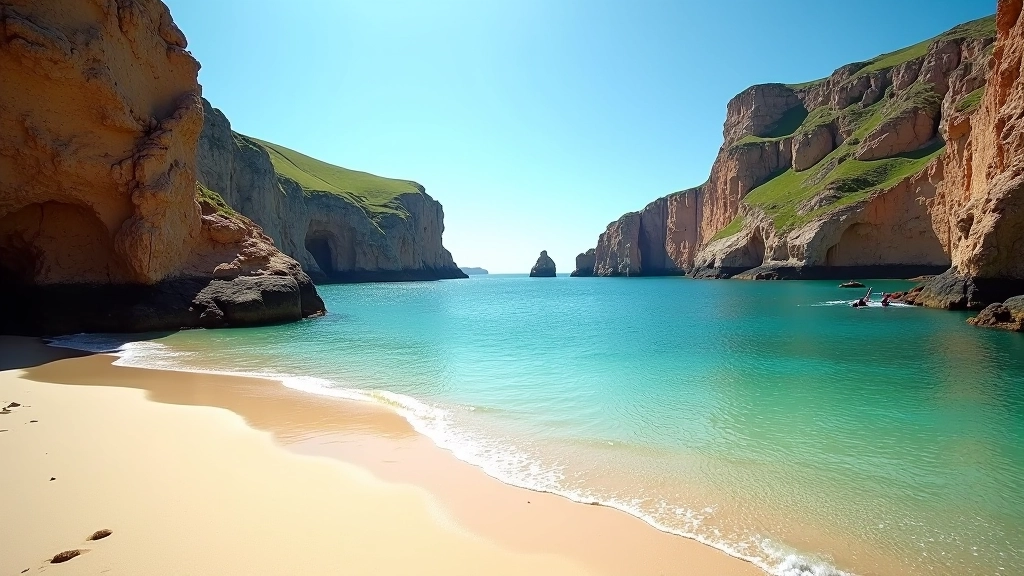
Coum Dore sits on the eastern side of the peninsula and it's our top pick for beginners. The bay opens to the south with natural rock formations creating a natural breakwater — you get that protected feeling without being completely enclosed. The water's shallow enough near the shore that you can touch bottom if needed, but deep enough (around 8-10 meters) for proper paddling in the middle section.
The real draw here? The views don't quit. Towering sandstone cliffs frame the bay, and on clear days you can see across to the Skellig Islands. Seals are common — you'll spot them hauled out on rocks most days. The approach from the shore is straightforward: sandy beach, easy water entry, and the current stays mild even on busier tidal days.
Distance from Dingle town is about 7 kilometers, so it's accessible for a half-day tour. Most paddlers spend 2-3 hours here exploring the coves and practicing their strokes in genuinely calm conditions.
Pro Tip for First-Timers
Coum Dore is best paddled during the incoming tide — you'll have less current to manage and the water gets noticeably calmer as the tide fills the bay. Check your tide tables before heading out. Most guided tours time their launches around slack water (the period between tides when current is minimal).
Dunquin Harbour: Caves and Sea Stacks
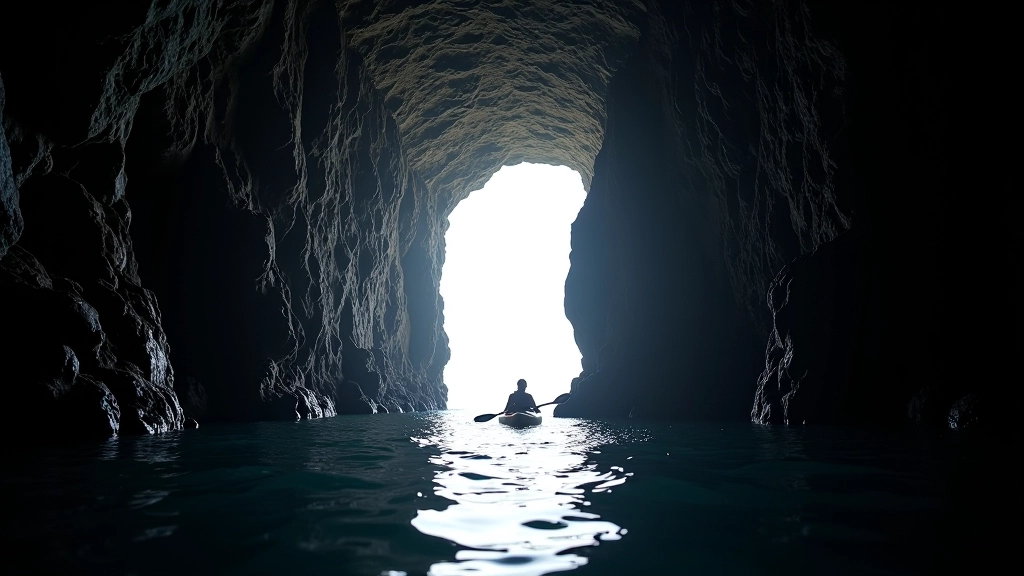
Dunquin is different. You're not just paddling in calm water here — you're exploring some of the most interesting geology on the coast. The harbour is narrow, which sounds intimidating but actually works in your favour. The tight opening means swell gets dampened significantly, leaving you with genuinely sheltered water once you're inside.
What makes Dunquin special is the landscape. Sea caves punctuate the cliffs, and you can paddle right up to some of them. The rock formations create natural landmarks for navigation practice, and the water clarity here is excellent — you'll see straight to the bottom in many spots. Intermediate paddlers love this place because there's real exploring to do.
The downside? It's a bit more exposed during severe Atlantic storms, so it's best paddled on moderate to calm days. Water temperature stays chilly year-round (around 11-13 degrees Celsius), so proper wetsuit coverage is essential. Most paddlers spend 3-4 hours exploring the caves and rock formations.
Ballydavid Head: The Quiet Cove
This one's the secret spot locals don't advertise much. Ballydavid Head offers a small cove that's sheltered from virtually all wind directions. The bay's shaped like a horseshoe, with rocky outcrops on both sides creating natural windbreaks. You'll rarely find more than a few paddlers here even on busy weekends.
The shallow entry makes it perfect for practicing your wet exit and re-entry — skills that matter if you ever capsize. The water's calm enough that you can focus entirely on technique without worrying about conditions. Rocky shore means careful landing, but it's manageable with a bit of attention.
Wildlife here includes cormorants, shags, and the occasional harbour seal. You're close enough to shore that you can hear the birds properly — it adds to the whole experience. About 5 kilometers from Dingle town, making it a quick option for shorter sessions.
Slea Head: Where the Peninsula Ends
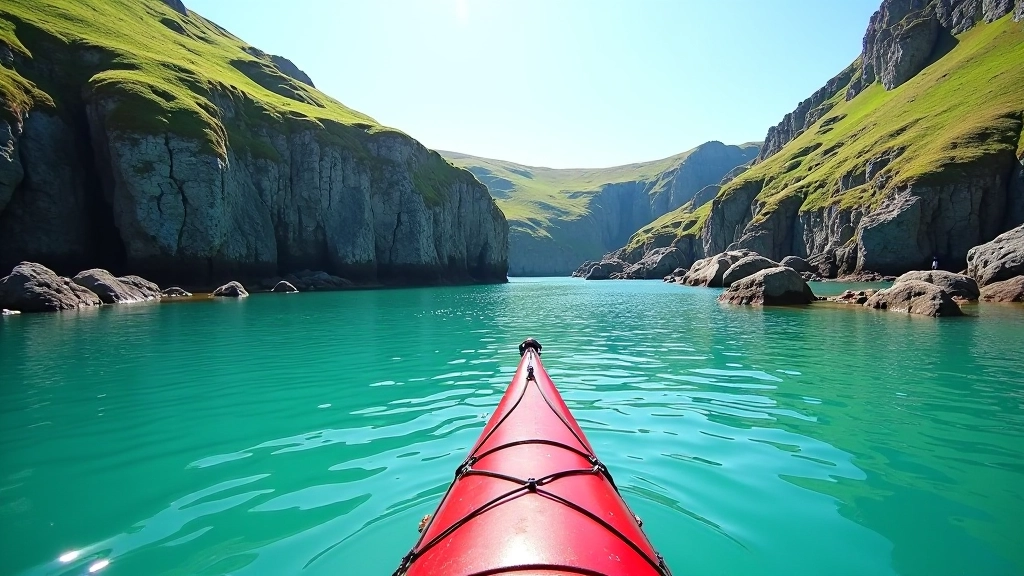
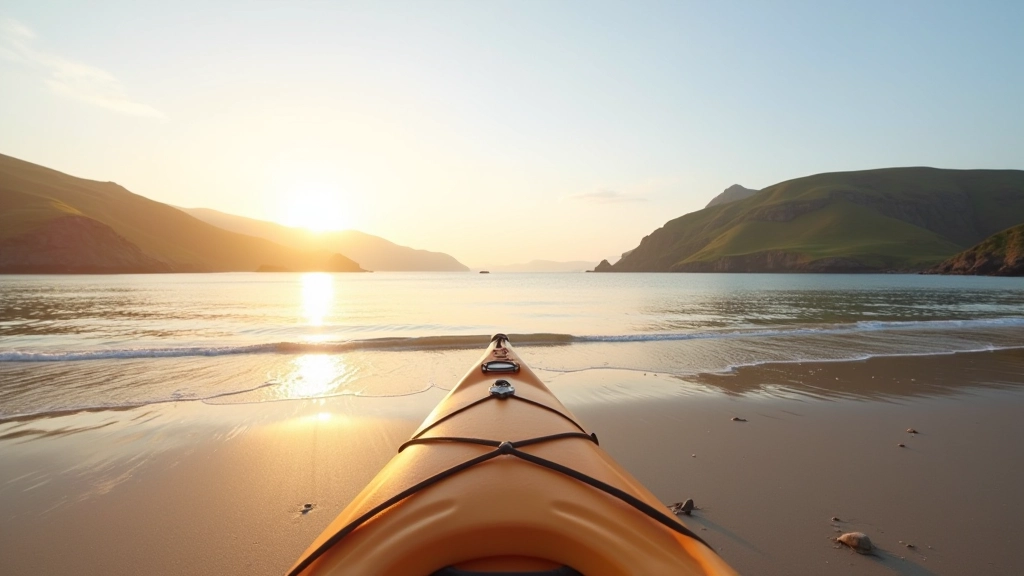
Slea Head is technically the most exposed of our four bays, but there's a reason we include it. On calm to moderate days, the northern side of the head has a genuinely sheltered pocket of water. You're paddling near one of the most dramatic headlands on the Irish coast, which sounds dramatic but actually works because the landscape provides shelter.
This is an intermediate to advanced option. The views are unmatched — you're looking at the Blasket Islands, and the geology alone is worth the paddle. The water's usually clear, and you'll see deeper rock formations and kelp forests. Puffins nest here during breeding season (May to July), so spring paddling offers incredible wildlife watching.
The challenge? You need decent paddling skills to handle the slightly choppier conditions as you approach. Current can run stronger here than in the other bays. Plan for 3-4 hours and always check weather before heading out. This isn't a beginner spot, but it's absolutely worth experiencing once you've built your skills.
Quick Comparison: Which Bay for You?
Coum Dore Bay
Best for: Beginners
Shallow, protected, stunning views. Perfect for first-time paddlers and half-day tours.
Dunquin Harbour
Best for: Exploration
Sea caves, rock formations, excellent for intermediate paddlers wanting adventure.
Ballydavid Head
Best for: Skill Practice
Calmest water, ideal for practicing techniques in genuinely protected conditions.
Slea Head
Best for: Experienced Paddlers
Dramatic scenery, puffin watching, challenging conditions. Intermediate+ only.
Practical Tips for Paddling These Bays
You've got the bay options. Here's how to make the most of them:
Check the Tide
All four bays are best paddled during slack water or incoming tide. Check tide tables before you go — even protected bays can have surprising currents at extreme tides.
Dress for the Water, Not the Air
Atlantic water stays cold year-round. A 5mm wetsuit is standard, even in summer. You're spending hours on the water — hypothermia's real if you capsize. Don't compromise on this.
Bring a Float Bag
These aren't massive ocean swells, but a float bag gives you confidence if anything goes wrong. It's not about being pessimistic — it's about being prepared.
Tell Someone Where You're Going
Always let a friend or family member know which bay you're paddling and when you expect to be back. Guided tours do this automatically, but if you're paddling independently, this simple step matters.
The Best Way to Experience These Bays
These four bays represent the best of what Dingle offers: protected water, dramatic scenery, and genuine opportunities to develop your paddling skills. You're not fighting conditions here — you're learning in a place where the environment actually supports your progress.
Most paddlers discover their favourite bay pretty quickly. Some love Coum Dore's accessibility and views. Others come back to Dunquin again and again for the caves. Ballydavid becomes the default for technique practice. Slea Head is the one you'll remember for the rest of your life.
The beauty of the Dingle Peninsula is you don't have to choose just one. Start with what matches your skill level, then work your way through the others as your confidence builds. That's how you really get to know these waters — and how you become the paddler you want to be.
Important Information
This guide is provided for educational purposes to help paddlers understand the bays of Dingle Peninsula. Sea conditions, tides, and weather change constantly. Always check current weather forecasts and tide information before paddling. These bays, while sheltered, are still part of the Atlantic Ocean — they demand respect and proper preparation. Beginners are strongly advised to paddle with experienced guides or instructors. Never paddle alone if you're still developing your skills. The information here reflects typical conditions, but individual experiences will vary based on weather, season, and tidal cycles. Always prioritize safety and consider hiring a guide if you're new to sea kayaking.